
Fiber doesn’t usually get as much attention as protein.
Walk through a grocery store or scroll through social media and you’ll see plenty of conversations about protein shakes, high-protein snacks, and meal-prep routines.
Fiber is quieter.
Yet it plays an important role in digestive health, bowel regularity, fullness, blood sugar regulation, and cholesterol management. The CDC notes that fiber helps maintain digestive health, helps people feel fuller longer, and can support blood sugar and cholesterol management. CDC
The challenge is that many people may not get as much fiber as recommended.
So how would you know if your diet could use more?
There isn’t a single symptom that proves you’re deficient in fiber. Digestive symptoms can have many causes. But certain patterns—especially when combined with a diet low in fruits, vegetables, whole grains, beans, nuts, and seeds—may be worth paying attention to.
1. Your Bowel Movements Have Become Less Regular
One of the most obvious clues associated with a low-fiber eating pattern is constipation.
Fiber adds bulk to stool and can help it move through the digestive tract more normally.
Constipation isn’t simply “not going every day.” Everyone’s normal bowel pattern is different.
NIDDK describes constipation as potentially involving fewer than three bowel movements per week, hard or dry stools, difficulty or pain when passing stool, or feeling as though you haven’t completely emptied your bowels. NIDDK
A low-fiber diet is only one possible contributor.
Medications, dehydration, reduced physical activity, medical conditions, changes in routine, and other factors can also affect bowel habits.
Still, if your meals mostly consist of refined grains, meat, cheese, packaged snacks, and convenience foods with very little produce or legumes, looking at fiber intake can be a sensible starting point.
2. Your Stools Are Frequently Hard or Difficult to Pass
Regularity isn’t only about frequency.
Stool consistency matters too.
A diet containing adequate fiber—along with sufficient fluids—can help make stools easier to pass.
NIDDK recommends getting enough fiber and drinking adequate liquids to help fiber work effectively. NIDDK
That combination matters.
Simply adding a large amount of fiber without enough fluid may leave some people feeling more uncomfortable rather than less.
A practical approach is to increase fiber gradually while continuing to drink fluids regularly.
3. Your Meals Rarely Keep You Satisfied
Do you finish breakfast and feel hungry again surprisingly soon?
Fiber may be one piece of the puzzle.
Foods containing fiber generally take longer to digest than many highly refined carbohydrate foods, and fiber can contribute to a greater sense of fullness.
CDC specifically notes that fiber helps people feel fuller longer. CDC
Consider the difference between these two breakfasts.
A sweet pastry and coffee may provide plenty of calories but relatively little fiber.
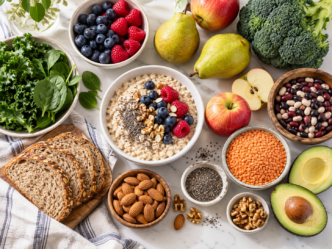
Oatmeal topped with berries, chia seeds, and walnuts provides carbohydrates alongside fiber, healthy fats, and other nutrients.
The second meal may feel more substantial for many people.
That doesn’t mean fiber alone determines hunger.
Protein, fat, meal size, sleep, activity, hormones, and many other factors influence appetite.
But if your meals contain almost no fiber-rich foods, adding some may help make them more satisfying.
4. Most of Your Carbohydrates Are Highly Refined
You don’t have to wait for physical symptoms to evaluate fiber intake.
Sometimes your plate tells you everything you need to know.
Consider what your typical carbohydrate choices look like.
If most come from foods such as refined white bread, pastries, cookies, chips, sugary cereals, or other highly processed products—and whole grains, beans, fruit, and vegetables rarely appear—you may be missing opportunities to get fiber.
Fiber is naturally found mainly in plant foods.
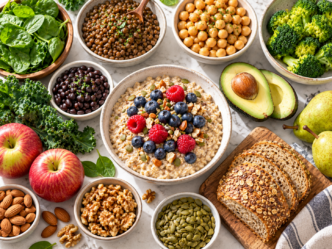
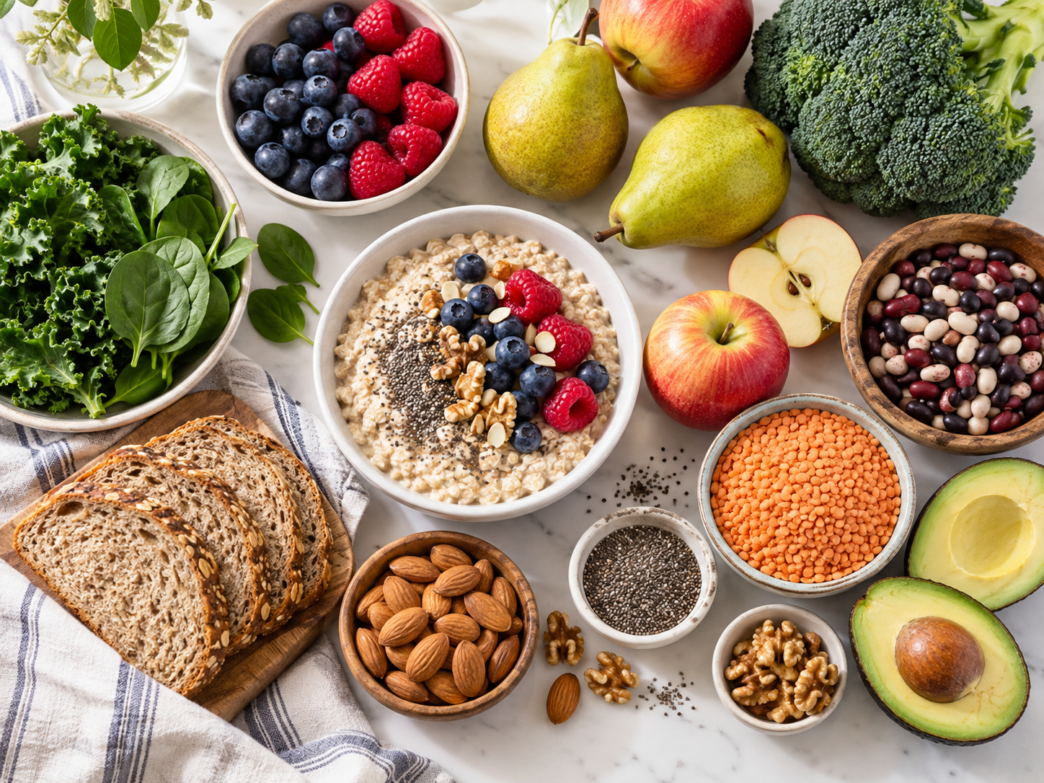
Common sources include oatmeal, whole-grain breads, brown rice, beans, lentils, chickpeas, berries, pears, apples, broccoli, peas, nuts, and seeds. NIDDK
The solution isn’t to fear carbohydrates.
It’s to choose more carbohydrate foods that bring fiber and nutrients with them.
5. Vegetables Rarely Appear on Your Plate
Ask yourself a very simple question:
When did I last eat a vegetable?
If you’re struggling to remember, your overall fiber intake may be worth looking at.
Vegetables aren’t the only source of fiber, but they’re one of the easiest ways to add more plant foods to your diet.
You don’t have to live on salads.
Vegetables can be added to scrambled eggs, pasta sauce, sandwiches, wraps, soups, rice dishes, casseroles, tacos, stir-fries, and grain bowls.
Frozen vegetables count too.
In fact, keeping frozen broccoli, peas, spinach, or mixed vegetables at home can make eating more fiber considerably easier when fresh produce isn’t available.
6. You Rarely Eat Beans or Lentils
Beans and lentils deserve much more attention than they typically receive.
They’re inexpensive, versatile, and provide both fiber and plant-based protein.
Options include black beans, kidney beans, chickpeas, lentils, split peas, navy beans, and pinto beans.
NIDDK lists legumes such as lentils, black beans, kidney beans, soybeans, and chickpeas among good dietary sources of fiber. NIDDK
Try adding beans to chili, salads, soups, tacos, burrito bowls, or pasta dishes.
Lentils work well in soups, curries, bowls, and stews.
You don’t need to become vegetarian.
Simply including legumes more often can increase dietary fiber.
7. Fruit Is Usually Replaced by Juice
Fruit juice and whole fruit aren’t nutritionally identical.
Juice can contain vitamins, but much of the fiber present in whole fruit is lost during processing.
That means eating an orange and drinking orange juice are not the same from a fiber perspective.
If you frequently drink juice but rarely eat whole fruit, try making a simple swap.
Have the orange.
Eat the apple.
Add berries to yogurt.
Slice a pear alongside lunch.
CDC’s current healthy-eating guidance encourages eating vegetables and fruits in their original form and prioritizing fiber-rich foods. CDC
How Much Fiber Do You Actually Need?
There isn’t one number for every adult.
NIDDK states that adults generally need approximately 22 to 34 grams of fiber per day, depending on age and sex. NIDDK
That can sound difficult until you see how ordinary foods can contribute.
A breakfast containing oatmeal, berries, and nuts adds fiber.
Beans at lunch add more.
An apple as a snack contributes some.
Vegetables and a whole grain at dinner add more again.
You don’t necessarily need to count every gram forever.
The broader goal is to consistently include fiber-rich plant foods throughout your day.
Don’t Increase Fiber Too Quickly
If you’ve been eating very little fiber, going from a low-fiber diet to huge servings of bran cereal, beans, vegetables, chia seeds, and fiber supplements overnight may not feel particularly pleasant.
A sudden increase can cause digestive symptoms such as gas, bloating, cramps, constipation, or diarrhea in some people. CDC recommends increasing fiber gradually and drinking plenty of water while doing so. CDC
Think gradual, not dramatic.
For example, start by adding fruit to breakfast.
A few days later, replace one refined grain with a whole-grain option.
Then add beans to a few lunches.
Let your digestive system adjust.
Food First Is Usually the Simplest Approach
Fiber supplements can be useful in some situations, particularly when recommended by a healthcare professional.
But you don’t automatically need a powder or gummy just because you want more fiber.
Whole foods provide fiber alongside vitamins, minerals, protein, healthy fats, and naturally occurring plant compounds.
Start with ordinary foods such as oats, berries, apples, pears, vegetables, beans, lentils, nuts, seeds, and whole grains.
If meeting your needs through food is difficult—or you have a digestive condition that affects what you tolerate—talk with a healthcare professional or registered dietitian about an individualized approach.
A Simple High-Fiber Day
Increasing fiber doesn’t require unusual health foods.
Breakfast could be oatmeal topped with berries and walnuts.
Lunch could be a whole-grain wrap filled with chicken or chickpeas, lettuce, tomatoes, peppers, and avocado.
An afternoon snack could be an apple with almonds.
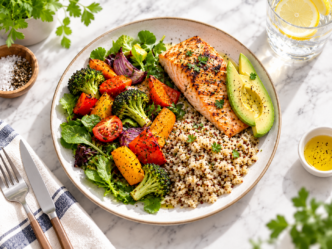
Dinner might include salmon, chicken, tofu, or another protein alongside brown rice, broccoli, carrots, and lentils or beans.
That’s a fairly ordinary day of eating.
The difference is that fiber-rich foods appear repeatedly rather than being saved for one occasional salad.
Fiber Isn’t Only About Digestion
Fiber is often discussed exclusively in relation to constipation, but its role extends further.
CDC notes that fiber can help with blood sugar management and cholesterol levels in addition to digestive health and fullness. CDC
Different fiber-containing foods also bring different nutrients.
That’s another reason variety matters.
Instead of relying entirely on one high-fiber cereal or supplement, try getting fiber from several categories of plant foods throughout the week.
When Symptoms Shouldn’t Be Blamed on Fiber
Digestive symptoms don’t automatically mean you need more fiber.
Persistent constipation, abdominal pain, blood in the stool, unexplained weight loss, vomiting, or significant changes in bowel habits deserve appropriate medical attention.
In some digestive conditions, aggressively increasing fiber may even make certain symptoms worse.
So don’t use an article—or a supplement label—to diagnose yourself.
Fiber is an important part of healthy eating, but digestive symptoms can have many causes.
The Bottom Line
You may not be getting enough fiber if your diet contains very few fruits, vegetables, whole grains, beans, lentils, nuts, and seeds—especially if you also experience constipation or hard, difficult-to-pass stools.
But there isn’t one symptom that definitively diagnoses low fiber intake.
A better approach is to look at your overall eating pattern.
Are plant foods showing up throughout the day?
Are you choosing whole grains sometimes?
Do you eat beans or lentils?
Do you regularly eat whole fruit?
If not, start small.
Add berries to breakfast.
Choose an apple instead of juice.
Put beans into lunch.
Add another vegetable to dinner.
Simple choices repeated regularly can make increasing fiber much easier.
Frequently Asked Questions
What is the most obvious sign that you may need more fiber?
Constipation or hard, difficult-to-pass stools may occur with a low-fiber diet, although many other factors can also cause constipation. NIDDK recommends adequate fiber, fluids, and physical activity as part of maintaining bowel regularity. NIDDK
How much fiber should adults eat every day?
A commonly recommended range is approximately 22–34 grams daily, depending on age and sex. NIDDK
What foods have a lot of fiber?
Useful sources include beans, lentils, whole grains, oatmeal, berries, apples, pears, broccoli, peas, nuts, and seeds.
Can increasing fiber cause bloating?
Yes. Increasing fiber very quickly can cause gas, bloating, cramps, constipation, or diarrhea in some people. Increase it gradually and drink adequate fluids. CDC
Is fruit juice a good source of fiber?
Whole fruit is generally a better fiber source because much of the fiber is removed when fruit is processed into juice.
Do I need a fiber supplement?
Not necessarily. Many people can increase fiber through ordinary foods. Supplements may be useful in certain circumstances, but individual digestive conditions and medications should be considered.
Health Living Note
You don’t need to transform your diet overnight.
Look for small opportunities to put fiber back onto your plate.
Oats at breakfast. Fruit for a snack. Beans at lunch. Vegetables at dinner. Nuts or seeds when they fit.
Fiber works best as part of an everyday eating pattern—not as another wellness challenge you follow for a week and abandon.