
Fiber doesn’t have to come from a supplement.
And eating more fiber doesn’t require replacing everything in your kitchen with specialized “high-fiber” foods.
Some of the best sources are ordinary foods you may already recognize:
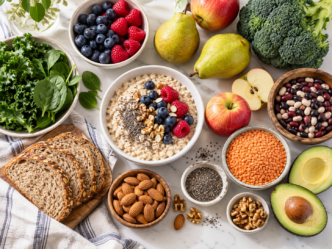
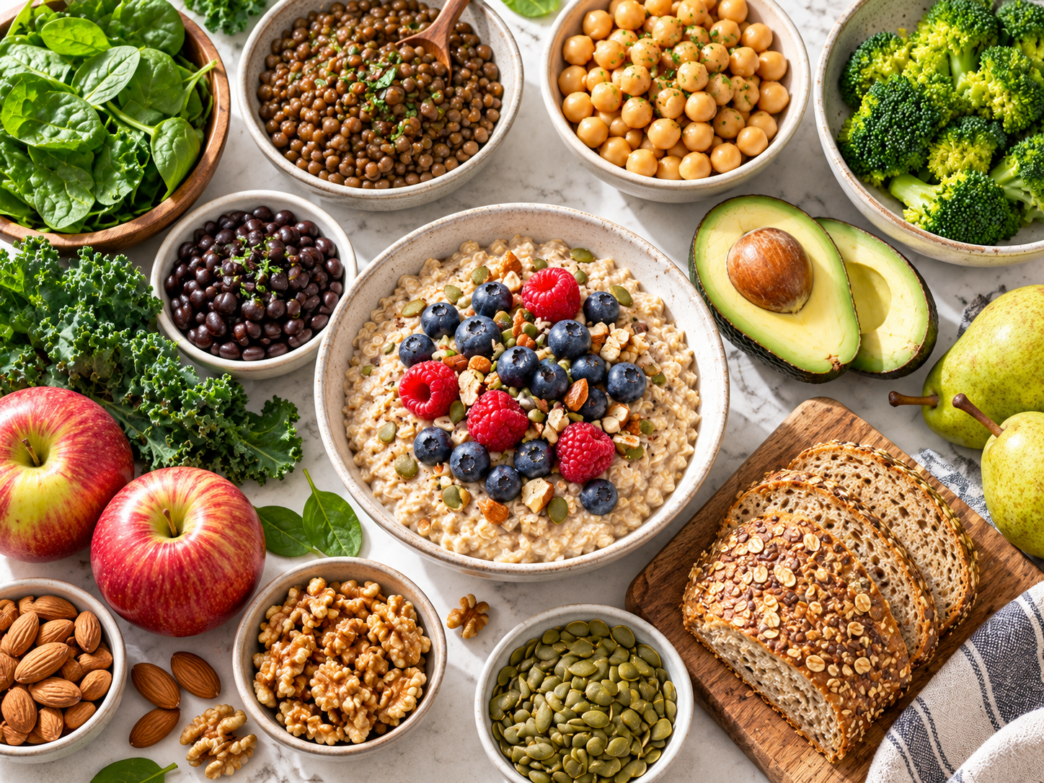
Oats. Beans. Lentils. Berries. Apples. Vegetables. Whole grains. Nuts. Seeds.
Fiber plays an important role in digestive health and can also help meals feel more satisfying. Current CDC nutrition guidance notes that fiber can support digestive health, fullness, blood sugar management, and cholesterol levels. CDC
The key is not trying to eat an enormous amount overnight.
Instead, add fiber-rich foods gradually throughout the day.
Here are some of the easiest foods to start with.
1. Oatmeal
Oats are one of the simplest ways to add fiber to breakfast.
Instead of beginning your morning with a highly refined cereal or pastry, try a bowl of plain oatmeal.
Then make it more interesting with:
- Blueberries
- Raspberries
- Sliced banana
- Walnuts
- Almonds
- Chia seeds
- Pumpkin seeds
- Plain Greek yogurt
CDC specifically suggests oatmeal as a fiber-friendly breakfast and recommends topping whole-grain cereals with berries, pumpkin seeds, or almonds. CDC
Easy breakfast idea
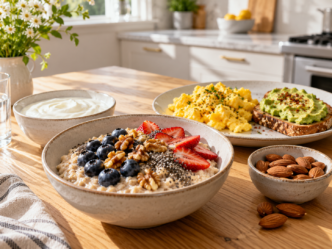
Oatmeal + blueberries + walnuts + cinnamon + Greek yogurt
That gives you fiber alongside protein and healthy fats, making the meal more balanced.
2. Beans
Beans may be one of the most underrated foods in the grocery store.
They’re inexpensive, easy to store, and provide both fiber and plant-based protein.
Examples include:
- Black beans
- Kidney beans
- Pinto beans
- Navy beans
- Cannellini beans
- Lima beans
NIDDK lists beans among good dietary sources of fiber. NIDDK
You can add them to:
- Salads
- Soups
- Chili
- Tacos
- Burrito bowls
- Rice dishes
- Pasta
- Casseroles
Simple upgrade
If you’re making a salad for lunch, add about half a cup of beans.
CDC specifically recommends adding beans or lentils to salads as an easy way to increase fiber. CDC
Canned beans are perfectly convenient.
If you’re concerned about sodium, compare labels and rinse the beans before using them.
3. Lentils
Lentils deserve their own place on the list.
Like beans, they provide both fiber and protein and work especially well in soups, stews, curries, bowls, and salads.
Common varieties include:
- Brown lentils
- Green lentils
- Red lentils
- Black lentils
NIDDK identifies lentils and other legumes as useful fiber sources. NIDDK
Red lentils are particularly convenient because they cook relatively quickly and soften easily into soups.
Easy dinner idea
Try:
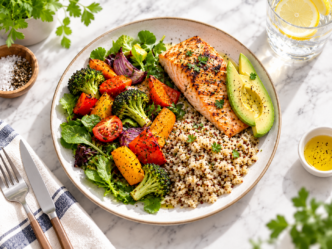
Lentils + roasted vegetables + brown rice + avocado
You don’t need a special “fiber meal.”
You’re simply combining ordinary fiber-rich foods.
4. Berries
Berries are an easy way to make breakfast or snacks more fiber-friendly.
Options include:
- Raspberries
- Blackberries
- Blueberries
- Strawberries
Add them to oatmeal, plain yogurt, cottage cheese, cereal, or smoothies.
You can also eat them by themselves.
NIDDK includes berries among good fruit sources of dietary fiber. NIDDK
Frozen berries are useful too.
They’re often less expensive than fresh berries and can be stored much longer.
5. Apples
An apple is one of the simplest high-fiber snacks because it requires almost no preparation.
Wash it and eat it.
NIDDK specifically lists apples with the skin on among fiber-containing fruits. NIDDK
Try pairing an apple with:
- Peanut butter
- Almond butter
- A handful of nuts
- Cheese
- Plain yogurt
That adds protein or fat and can make the snack more satisfying.
Whenever practical, eating whole fruit rather than drinking fruit juice also preserves the fruit’s fiber. CDC notes that whole fruit provides fiber that juice often lacks. CDC
6. Pears
Pears are another easy whole-fruit choice.
They’re portable, naturally sweet, and require little preparation.
Like apples, eating the edible skin can help preserve more of the fruit’s fiber.
NIDDK includes pears among useful dietary fiber sources. NIDDK
Try sliced pear with:
- Walnuts
- Plain Greek yogurt
- Oatmeal
- Cottage cheese
Or simply eat one as an afternoon snack.
Healthy eating doesn’t always need a recipe.
7. Broccoli
Broccoli adds fiber while also providing vitamins, minerals, and other nutrients.
It works with almost anything.
You can:
- Roast it
- Steam it
- Add it to pasta
- Put it in stir-fries
- Mix it into grain bowls
- Add it to soups
NIDDK identifies broccoli as a fiber-rich vegetable. NIDDK
Frozen broccoli is also useful.
You don’t need to buy fresh produce every few days to eat well.
CDC notes that frozen and canned vegetables can also be nutritious options, particularly when you choose products without excessive added sodium or sugar. CDC
8. Carrots
Carrots are inexpensive, portable, and easy to prepare.
You can eat them raw with hummus, roast them with dinner, add them to soups, or mix shredded carrots into salads.
NIDDK includes carrots among good sources of fiber. NIDDK
For an easy snack:
Carrots + hummus
This combines vegetables with a legume-based dip and can help add more plant foods to your day.
9. Green Peas
Peas sometimes get overlooked because they aren’t as trendy as kale or avocado.
But they can be an easy fiber-rich addition to meals.
NIDDK specifically includes green peas among dietary fiber sources. NIDDK
Add them to:
- Rice
- Pasta
- Soups
- Casseroles
- Grain bowls
Frozen peas are especially convenient because they cook quickly.
Keeping a bag in the freezer makes it easy to add an extra vegetable to dinner without much effort.
10. Whole-Grain Bread
You don’t have to eliminate bread to increase fiber.
Instead, consider choosing whole-grain varieties more often.
NIDDK lists whole-wheat bread and other whole grains among good fiber sources. NIDDK
Use whole-grain bread for:
- Egg toast
- Avocado toast
- Peanut butter toast
- Sandwiches
Easy breakfast
Try:
Whole-grain toast + avocado + egg
or
Whole-grain toast + peanut butter + banana
CDC recommends prioritizing fiber-rich whole grains as part of a healthy eating pattern. CDC
11. Brown Rice, Quinoa, and Other Whole Grains
Rice and grain bowls can be excellent places to add more fiber.
Consider rotating between:
- Brown rice
- Quinoa
- Barley
- Whole-grain pasta
- Oats
- Other whole grains you enjoy
You don’t have to completely abandon white rice or regular pasta.
The goal is simply to include fiber-rich whole grains more frequently.
CDC recommends whole grains as part of a nutrient-dense eating pattern and specifically lists foods such as brown rice, quinoa, and whole-wheat pasta as ways to add fiber. CDC
12. Chickpeas
Chickpeas are another easy pantry food.
They can be used in:
- Salads
- Grain bowls
- Soups
- Curries
- Wraps
- Hummus
You can even roast chickpeas for a crunchy snack.
CDC gives avocado toast topped with chickpeas as an example of a fiber-friendly breakfast. CDC
Easy lunch
Try:
Spinach + chickpeas + tomatoes + cucumber + avocado + whole grain
That’s a simple way to combine several fiber sources in one meal.
13. Nuts
Nuts provide fiber along with protein and predominantly unsaturated fats.
Examples include:
- Almonds
- Walnuts
- Peanuts
- Pecans
- Pistachios
NIDDK lists nuts such as almonds, peanuts, and pecans as dietary fiber sources. NIDDK
Try adding nuts to oatmeal, yogurt, cereal, fruit, salads, or snacks.
You don’t need enormous portions.
A modest handful can add texture and make meals more satisfying.
14. Seeds
Small seeds can make a surprisingly useful addition to meals.
Options include:
- Chia seeds
- Flaxseed
- Pumpkin seeds
- Sunflower seeds
CDC lists nuts and seeds among useful fiber-containing foods. CDC
Sprinkle them over:
- Oatmeal
- Yogurt
- Salads
- Whole-grain cereal
Ground flaxseed can also be mixed into oatmeal or yogurt.
Think of seeds as an addition rather than the centerpiece of the meal.
15. Avocado
Avocado provides fiber along with predominantly unsaturated fat.
It works well on toast, in salads, grain bowls, tacos, eggs, or wraps.
One simple combination is:
Whole-grain toast + avocado + chickpeas
CDC specifically uses this as an example of a fiber-friendly meal. CDC
Again, you don’t need expensive or exotic ingredients.
Ordinary combinations work.
How Much Fiber Do Adults Need?
NIDDK states that adults generally need around 22 to 34 grams of fiber per day, depending on age and sex. NIDDK
You don’t necessarily need to spend the rest of your life counting every gram.
A simpler approach is to ask:
Am I regularly eating fruits, vegetables, whole grains, beans, lentils, nuts, and seeds?
If those foods rarely appear in your diet, increasing them gradually will usually increase fiber intake naturally.
Don’t Add Too Much Fiber Overnight
This is important.
If you currently eat very little fiber, suddenly consuming enormous servings of bran, beans, lentils, vegetables, chia seeds, and fiber supplements can leave you uncomfortable.
A rapid increase may cause:
- Gas
- Bloating
- Abdominal discomfort
- Cramps
- Constipation
- Diarrhea
CDC recommends increasing fiber gradually to give your digestive system time to adjust. CDC
Start with one or two changes.
For example:
Week 1
Add fruit to breakfast.
Week 2
Switch one refined grain to a whole grain.
Week 3
Add beans or lentils to two or three meals.
Week 4
Add vegetables to another meal.
There is no prize for increasing fiber as quickly as possible.
Water Matters When You Increase Fiber
Fiber and hydration work together.
NIDDK recommends drinking adequate water and other fluids so fiber can work more effectively. NIDDK
This is particularly important if you’re increasing fiber because of constipation.
You don’t need to force gallons of water.
Just make hydration part of the same routine.
Keep water nearby.
Drink throughout the day.
Have water with meals.
Increase fluid intake appropriately during exercise or hot weather.
A Simple High-Fiber Day
You don’t need to eat a “fiber diet.”
Here’s what an ordinary day could look like.
Breakfast
Oatmeal with blueberries, walnuts, and chia seeds.
Morning Snack
Apple with peanut butter.
Lunch
Whole-grain wrap with chicken or chickpeas, spinach, tomato, avocado, and peppers.
Afternoon Snack
Carrots and hummus.
Dinner
Salmon, tofu, or another preferred protein with brown rice, broccoli, and lentils.
Dessert
Fresh berries or another whole fruit.
That’s several opportunities for fiber without using a single supplement.
Easy Fiber Upgrades for Foods You Already Eat
Sometimes the easiest strategy isn’t finding new meals.
It’s modifying meals you already enjoy.
If you eat cereal:
Add berries, nuts, or seeds.
If you eat yogurt:
Add fruit, oats, or chia seeds.
If you eat sandwiches:
Use whole-grain bread and add vegetables.
If you eat salads:
Add beans, lentils, nuts, or seeds.
If you eat rice bowls:
Add vegetables, beans, and avocado.
If you eat pasta:
Add broccoli, spinach, peas, beans, or lentils.
If you eat eggs:
Add vegetables and whole-grain toast.
Fiber becomes easier when it stops feeling like a separate nutrition project.
Fresh Isn’t the Only Healthy Option
Don’t assume fiber-rich eating requires constant trips to the produce section.
Frozen vegetables and fruits can be excellent options.
Canned beans are convenient.
Whole grains have a long shelf life.
Nuts and seeds are easy to store.
CDC currently notes that fresh, frozen, dried, and canned fruits and vegetables can all fit into a nutritious eating pattern, with attention to added sugars and sodium. CDC
That matters because a healthy diet also needs to be affordable and practical.
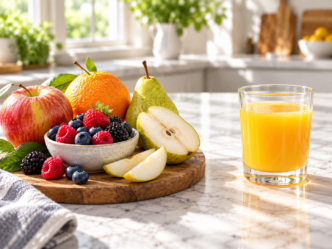
Whole Fruit Usually Beats Juice for Fiber
Orange juice comes from oranges.
But drinking juice isn’t nutritionally identical to eating the whole fruit.
Much of the fiber is reduced or removed during juicing.
CDC recommends choosing whole fruits more often and notes that their fiber can help you feel full, while many juices contain little to no fiber. CDC
So when practical:
Eat the orange.
Eat the apple.
Eat the berries.
Whole fruit is an easy way to increase fiber without making meals complicated.
Do You Need a Fiber Supplement?
Not necessarily.
Supplements can be useful in some circumstances, particularly when recommended by a healthcare professional.
But whole foods provide much more than fiber.
Beans provide protein and minerals.
Fruit provides vitamins and plant compounds.
Whole grains provide nutrients.
Nuts and seeds provide healthy fats.
Vegetables contribute a wide range of vitamins and minerals.
Starting with food can therefore improve overall dietary quality rather than simply increasing one nutrient.
If you have persistent constipation, IBS, inflammatory bowel disease, another digestive disorder, or take medications that affect bowel habits, ask a healthcare professional about the type and amount of fiber that’s appropriate for you.
When More Fiber Isn’t Automatically Better
Nutrition advice can become overly simplistic.
If some fiber is good, people assume enormous amounts must be better.
That’s not necessarily true.
Individual tolerance varies, and certain digestive conditions may require personalized fiber recommendations.
NIDDK notes, for example, that different types of fiber may affect IBS symptoms differently. NIDDK
So don’t force huge amounts of fiber simply to reach a number.
Pay attention to how you feel.
Increase it gradually.
And get individualized guidance if digestive symptoms persist.
The Bottom Line
Eating more fiber doesn’t have to mean buying special products.
Start with ordinary foods:
Oats
Beans
Lentils
Berries
Apples and pears
Broccoli and other vegetables
Whole grains
Chickpeas
Nuts
Seeds
Avocado
Add them gradually throughout your day rather than trying to transform your diet overnight.
And remember to drink enough fluids as your fiber intake increases.
The healthiest nutrition changes are often the simplest ones:
Add berries to breakfast.
Put beans in your salad.
Choose whole-grain bread.
Eat an apple instead of drinking juice.
Add another vegetable to dinner.
Small changes repeated regularly can make a noticeable difference to the overall quality of your diet.
Frequently Asked Questions
What are the easiest foods to eat for more fiber?
Oatmeal, beans, lentils, apples, pears, berries, vegetables, whole-grain bread, nuts, and seeds are all convenient fiber sources. NIDDK
How much fiber should adults eat?
NIDDK recommends approximately 22–34 grams of fiber per day for adults, depending on age and sex. NIDDK
What is a good high-fiber breakfast?
Oatmeal topped with berries, nuts, and seeds is a simple option. Whole-grain toast with avocado and chickpeas is another fiber-friendly breakfast. CDC
Are beans high in fiber?
Yes. Beans, lentils, chickpeas, and other legumes are useful sources of dietary fiber and can also provide plant-based protein. NIDDK
Is fruit juice a good source of fiber?
Generally, whole fruit is the better option for fiber. Many fruit juices contain little or no fiber compared with the original whole fruit. CDC
Can eating too much fiber cause bloating?
Increasing fiber too rapidly can cause gas, bloating, cramps, constipation, or diarrhea in some people. Increase it gradually and drink adequate fluids. CDC
Do I need fiber supplements?
Not everyone does. Many people can increase fiber by eating more whole grains, legumes, fruits, vegetables, nuts, and seeds. People with persistent digestive problems should discuss supplements and dietary changes with an appropriate healthcare professional.
Health Living Note
Increasing fiber doesn’t have to become another complicated health project.
Add one fruit. Add one vegetable. Eat beans a little more often. Choose whole grains sometimes. Sprinkle nuts or seeds onto foods you already enjoy.
Then build from there.
Simple food changes are usually much easier to maintain than a complete diet overhaul.